
WMD26 Invisible Hazards
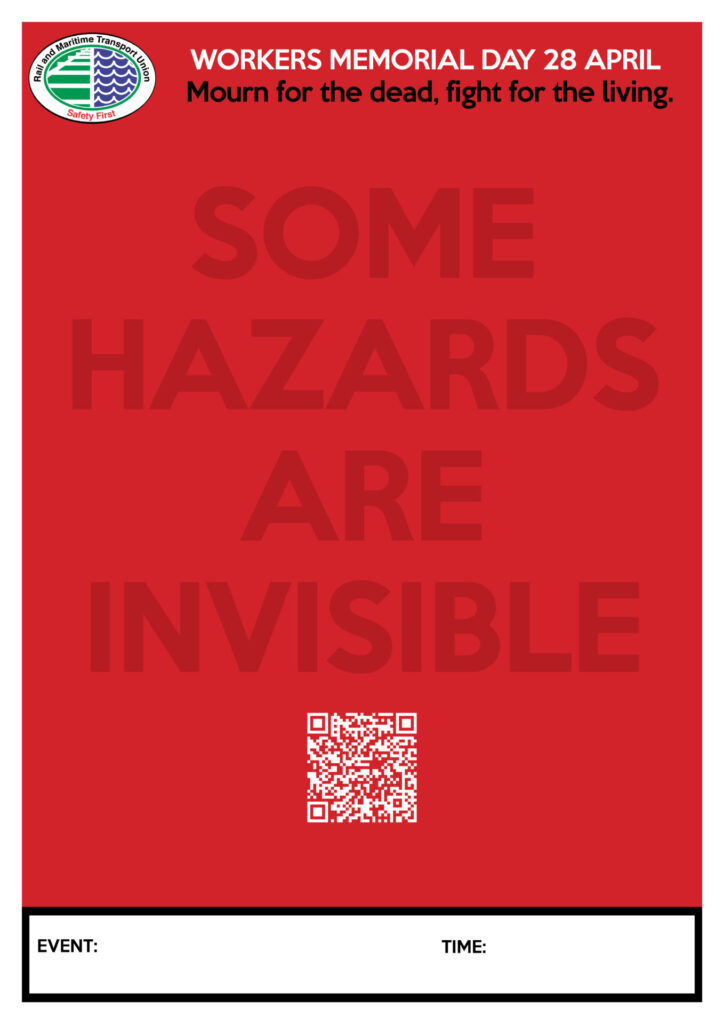
Dusts, gases, fumes and vapours can be invisible to the naked eye but can cause serious diseases and death.
Work-related diseases and deaths affect between 750-900 people a year in NZ.
There are simple steps to help identify the invisible hazards of dusts, gases, fumes and vapours .
Step one
Identify the potential risks. Do a a walk through of your work environment , look at the tasks and the environment. Identify potential sources of exposure to invisible hazards such as chemicals, fumes, dust. Talk to other workers about their health concerns, e.g. headaches, coughing, shortness of breath or rashes. In the case of chemicals look at the material safety data sheets to see if exposure to chemicals are being managed well.
Regarding dust and fume, look at the tasks and the machinery. What are they emiting? Some of the affects of invisible hazards can be long term such as diesel fume.

Step two
Report your concerns to your manager and raise them with your Health & Safety Rep and or Union Delegate.
Step three
Your Health and Safety Reps and Manager can request exposure monitoring. This is done by Occupational Hygienists who come on site and fit workers with a monitoring device to wear to detect chemical fume or dust , or install static monitoring in the workplace.
Important to know!
If your Health and Safety Rep or Health and Safety Committee makes a recommendation for the employer to do exposure monitoring under the Health and Safety at Work Act, the employer is required to do the monitoring or provide a written reason for not doing so.
Step four- Exposure monitoring
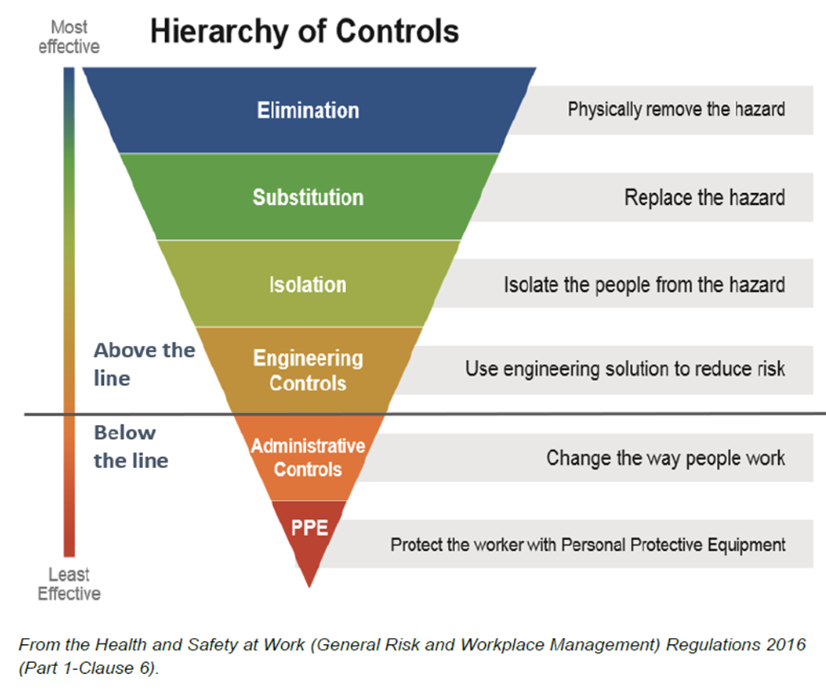
Exposure Monitoring results must be provided to the workers who have been tested. The results include information about the level of exposure, any potential health risk and how the risk should be managed. It is known as the hierarchy of control and includes elimination, substitution, isolation,engineering controls and administrative controls such as respiratory protection.
Step five- Health monitoring
Workers’ health monitoring can detect early signs of disease caused by work exposure to fume, dust (e.g., lung function tests, physical exam by doctor, urine samples and blood tests).
Check out the case study of workers identifying, reporting and working together with their employer to manage health risks in the March 2026 Transport Worker.
If you’d like more information contact your H&S Rep, Delegate or RMTU Organiser.